DUVYZAT protects from Duchenne progression

The clinical trial measured whether DUVYZAT + steroids more effectively preserved muscle strength and function than steroids alone (placebo). See more about the trial >

MAIN MEASURE
Participants taking DUVYZAT

Completed 4-stair climb 1.78 seconds faster

than participants taking steroids alone, demonstrating significant protection.*

*This was measured by the average time it took participants in both groups to climb 4 stairs at the end of 18 months.

Ethan, taking DUVYZAT for 4+ years.
Ethan, taking DUVYZAT for 5+ years.

Additional measurements of protection

After 18 months, participants taking DUVYZAT + steroids:

  • Maintained more ability to bend their elbow or straighten their knee, a measure of muscle strength

  • Maintained motor function abilities longer compared with those who took placebo, based on North Star Ambulatory Assessment (NSAA) scores
    • The NSAA is a 17-item test that looks at everyday movements, such as ability to stand up from the floor, walk, climb stairs, balance, and jump
    • Those who took DUVYZAT + steroids saw an average of 1.91 fewer points of decline on the NSAA than those who took only steroids
  • DUVYZAT also reduced how much new fat was in the muscle, a measurement of muscle loss
    • Those who took DUVYZAT + steroids had 30% less new fat build-up in their muscles than those who were on steroids alone
Researchers use statistics to determine whether improvements are truly due to a treatment or could have happened by chance. In this case, even though the results looked positive, the analysis couldn’t confirm that the difference was due to the treatment alone.

DUVYZAT reduced how much new fat was in the muscle

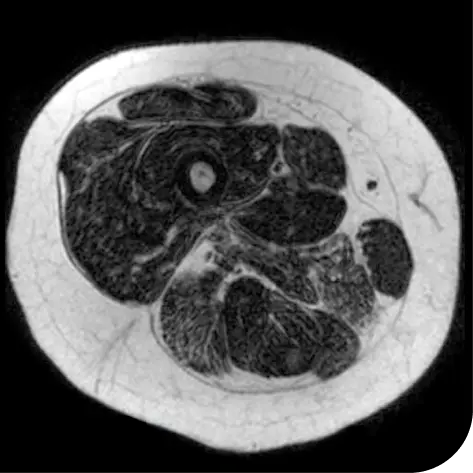
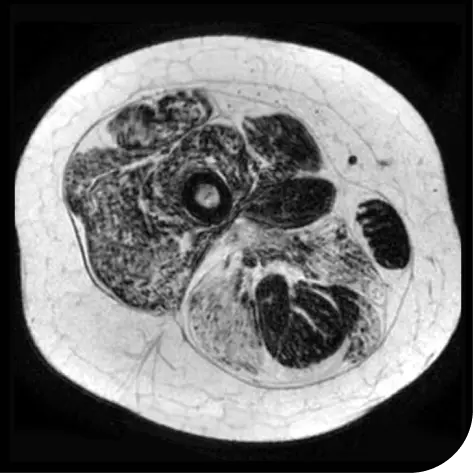
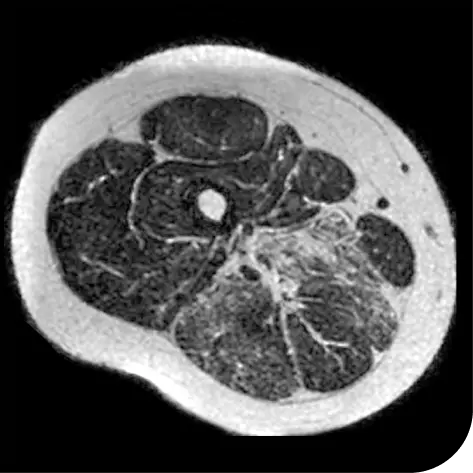
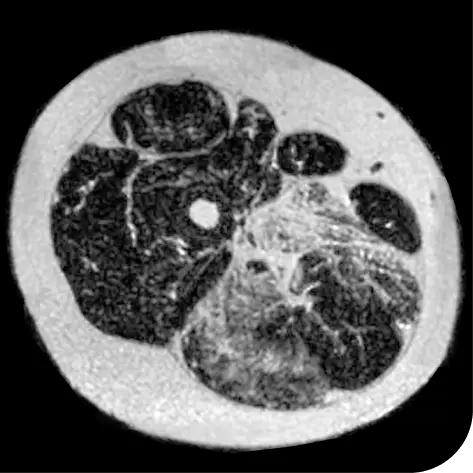
In another follow-up analysis of the clinical trial (meaning it was not one of the main measures planned when the study began), researchers looked at individual people to see how much new fat was in the muscle. The images below represent results from 2 individual people from the study after 18 months. These results may not be the same for everyone.


How to read these images:

  • Magnetic resonance spectroscopy (MRS) images can show the difference between muscle and fat in the body
  • By taking images of the same patients 18 months apart, researchers can track the amount of new fat that is building up in the muscles
  • The darker areas of the images represent muscle tissue and the white areas represent fat

At the beginning
of the clinical trial 
After 18 months
Participant taking
steroids alone
Participant taking
DUVYZAT + steroids
Dive image
Ryan, taking DUVYZAT for 5+ years, and friend.

How DUVYZAT was studied

The clinical trial was 18 months long

Participants received steroids along with either DUVYZAT or placebo
  • During the trial, the DUVYZAT dose was based on weight and was reduced if certain side effects occurred
The clinical trial included 179 participants with a wide range of genetic variants of Duchenne:
  • The effectiveness of DUVYZAT was studied in 120 participants
  • The safety of DUVYZAT was studied in 179 participants
The median age was 9.8 years, meaning that half of the participants were younger than 9.8 years, and the other half were 9.8 years or older.
A clinical trial is a research study that tests new medicines to make sure they are safe and effective.

SEE WHAT THE RESEARCHERS LOOKED AT

4-stair climb

4-stair climb

How fast participants could climb 4 stairs before and after 18 months of using DUVYZAT and steroids compared with steroids alone 

NSAA

NSAA

Participants’ mobility and muscle function across multiple muscle groups as measured by the NSAA, a test that measures how well people with Duchenne can move and do daily activities

Muscle Strength

Muscle strength

A muscle strength test that included how well participants could bend their elbow and straighten their knee measured with a small handheld device called a myometer

Fat tissue

Fat tissue

Measurement of how much fat was in the muscle of the upper leg to understand muscle loss. This was assessed by MRS, an imaging test

Ready to talk about what these results could mean for you? Use the DUVYZAT Discussion Guide to start a conversation with your healthcare provider.
More than 2000 people with Duchenne have been prescribed DUVYZAT. Includes global patients (US and EU participants).

Important Safety Information

What is the most important information I should know about DUVYZAT?

  • Low platelet counts in your blood (thrombocytopenia). Platelets are important for blood clotting, so having fewer can increase your risk of bleeding or bruising. Your doctor will check your blood count before you start DUVYZAT and regularly during treatment for signs of thrombocytopenia. Call your doctor right away if you notice unusual bleeding or small red or purple spots on the skin.
  • Increased levels of fat (triglycerides) in your blood. You may not have any symptoms, so your doctor will do blood tests before you start DUVYZAT and regularly during treatment to check your triglyceride levels.
  • Frequent watery loose stools (diarrhea) and vomiting. DUVYZAT can cause vomiting and moderate to severe diarrhea. If diarrhea occurs, you should keep track of the frequency and severity of your diarrhea symptoms, drink plenty of fluids, and contact your doctor.
  • If thrombocytopenia, increased triglycerides, or diarrhea cannot be managed, your doctor may change your dose or stop your treatment with DUVYZAT, if needed.

Before taking DUVYZAT, tell your doctor about all of your medical conditions, including:

  • any heart problems or medicines you take that could increase your chance for irregular heart rhythms.
  • any bleeding problems.

Tell your doctor about all of the medicines you take, including prescription and over-the-counter medicines, vitamins, and herbal supplements.

Taking DUVYZAT with certain other medicines may affect each other. Taking DUVYZAT with other medicines can cause serious side effects. Do not start or stop other medicines without talking to your doctor.

What are the possible side effects of DUVYZAT?

  • DUVYZAT can cause serious side effects, including changes in the electrical activity of your heart called QT prolongation. QT prolongation can increase the risk of developing a type of irregular heart rhythm known as Torsades de Pointes. Call your doctor right away if you feel faint, have an irregular heartbeat, feel dizzy, or lose consciousness. See the section titled “What is the most important information I should know about DUVYZAT?” for more information about side effects.

The most common side effects (occurring in >5% of DUVYZAT-treated patients) included diarrhea, abdominal pain, low platelet levels, nausea/vomiting, high triglyceride levels, elevated temperature/fever, muscle aches, rash, joint pain, fatigue, constipation and decreased appetite.

These are not all of the possible side effects of DUVYZAT. For more information, ask your doctor or pharmacist.

Call your doctor for medical advice about side effects. You may report side effects to FDA at 1-800-FDA-1088.

What is DUVYZAT?

DUVYZAT is a prescription medicine for the treatment of Duchenne muscular dystrophy (DMD) in people 6 years of age and older. It is not known if DUVYZAT is safe and effective in children under age 6.

Please see full Prescribing Information and Medication Guide.
More than 2000 people with Duchenne have been prescribed DUVYZAT. Includes global patients (US and EU participants).

Important Safety Information

What is the most important information I should know about DUVYZAT?

  • Low platelet counts in your blood (thrombocytopenia). Platelets are important for blood clotting, so having fewer can increase your risk of bleeding or bruising. Your doctor will check your blood count before you start DUVYZAT and regularly during treatment for signs of thrombocytopenia. Call your doctor right away if you notice unusual bleeding or small red or purple spots on the skin.
  • Increased levels of fat (triglycerides) in your blood. You may not have any symptoms, so your doctor will do blood tests before you start DUVYZAT and regularly during treatment to check your triglyceride levels.
  • Frequent watery loose stools (diarrhea) and vomiting. DUVYZAT can cause vomiting and moderate to severe diarrhea. If diarrhea occurs, you should keep track of the frequency and severity of your diarrhea symptoms, drink plenty of fluids, and contact your doctor.
  • If thrombocytopenia, increased triglycerides, or diarrhea cannot be managed, your doctor may change your dose or stop your treatment with DUVYZAT, if needed.

Before taking DUVYZAT, tell your doctor about all of your medical conditions, including:

  • any heart problems or medicines you take that could increase your chance for irregular heart rhythms.
  • any bleeding problems.

Tell your doctor about all of the medicines you take, including prescription and over-the-counter medicines, vitamins, and herbal supplements.

Taking DUVYZAT with certain other medicines may affect each other. Taking DUVYZAT with other medicines can cause serious side effects. Do not start or stop other medicines without talking to your doctor.

What are the possible side effects of DUVYZAT?

  • DUVYZAT can cause serious side effects, including changes in the electrical activity of your heart called QT prolongation. QT prolongation can increase the risk of developing a type of irregular heart rhythm known as Torsades de Pointes. Call your doctor right away if you feel faint, have an irregular heartbeat, feel dizzy, or lose consciousness. See the section titled “What is the most important information I should know about DUVYZAT?” for more information about side effects.

The most common side effects (occurring in >5% of DUVYZAT-treated patients) included diarrhea, abdominal pain, low platelet levels, nausea/vomiting, high triglyceride levels, elevated temperature/fever, muscle aches, rash, joint pain, fatigue, constipation and decreased appetite.

These are not all of the possible side effects of DUVYZAT. For more information, ask your doctor or pharmacist.

Call your doctor for medical advice about side effects. You may report side effects to FDA at 1-800-FDA-1088.

Indication

What is DUVYZAT?

DUVYZAT is a prescription medicine for the treatment of Duchenne muscular dystrophy (DMD) in people 6 years of age and older. It is not known if DUVYZAT is safe and effective in children under age 6.

Please see full Prescribing Information and Medication Guide.